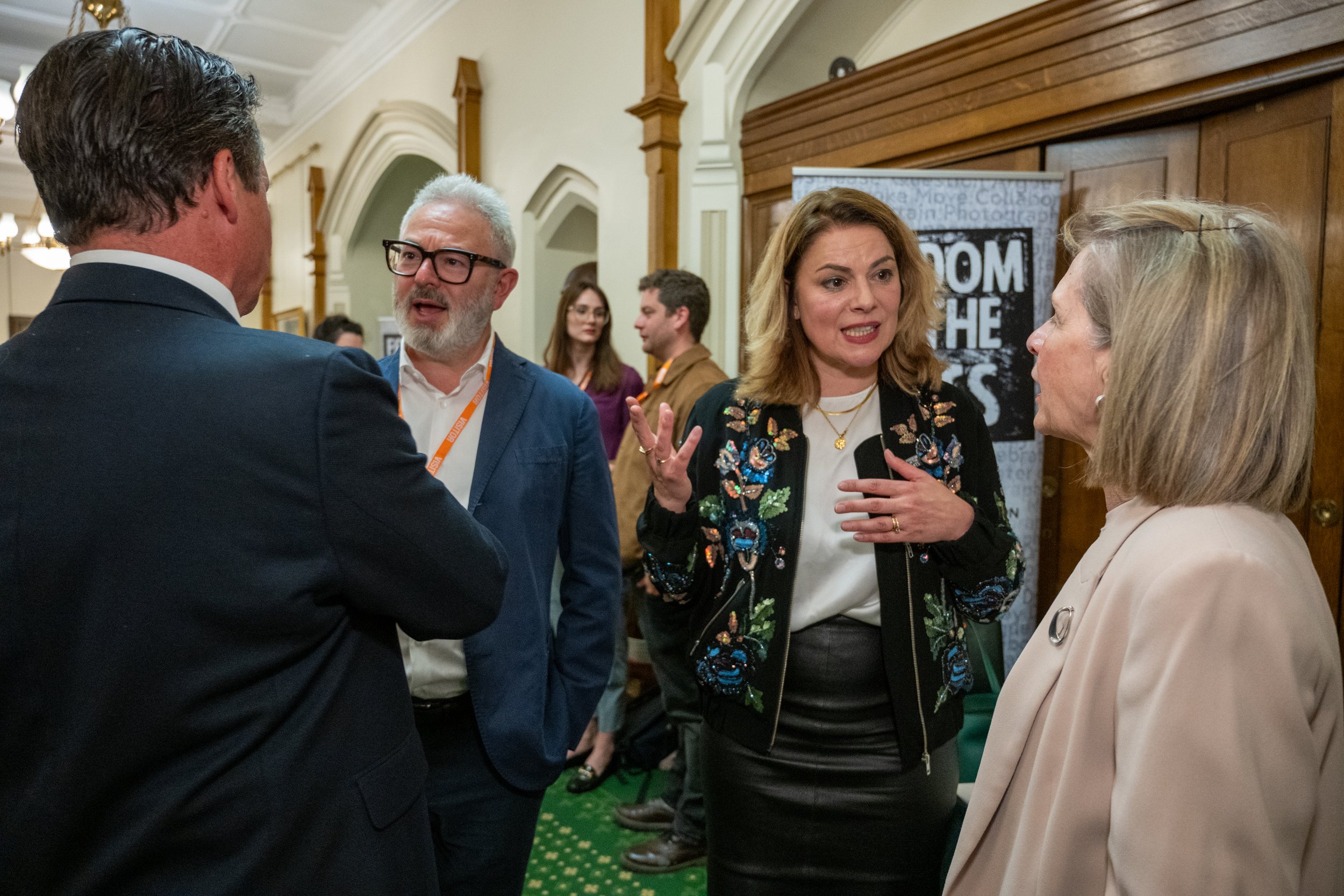
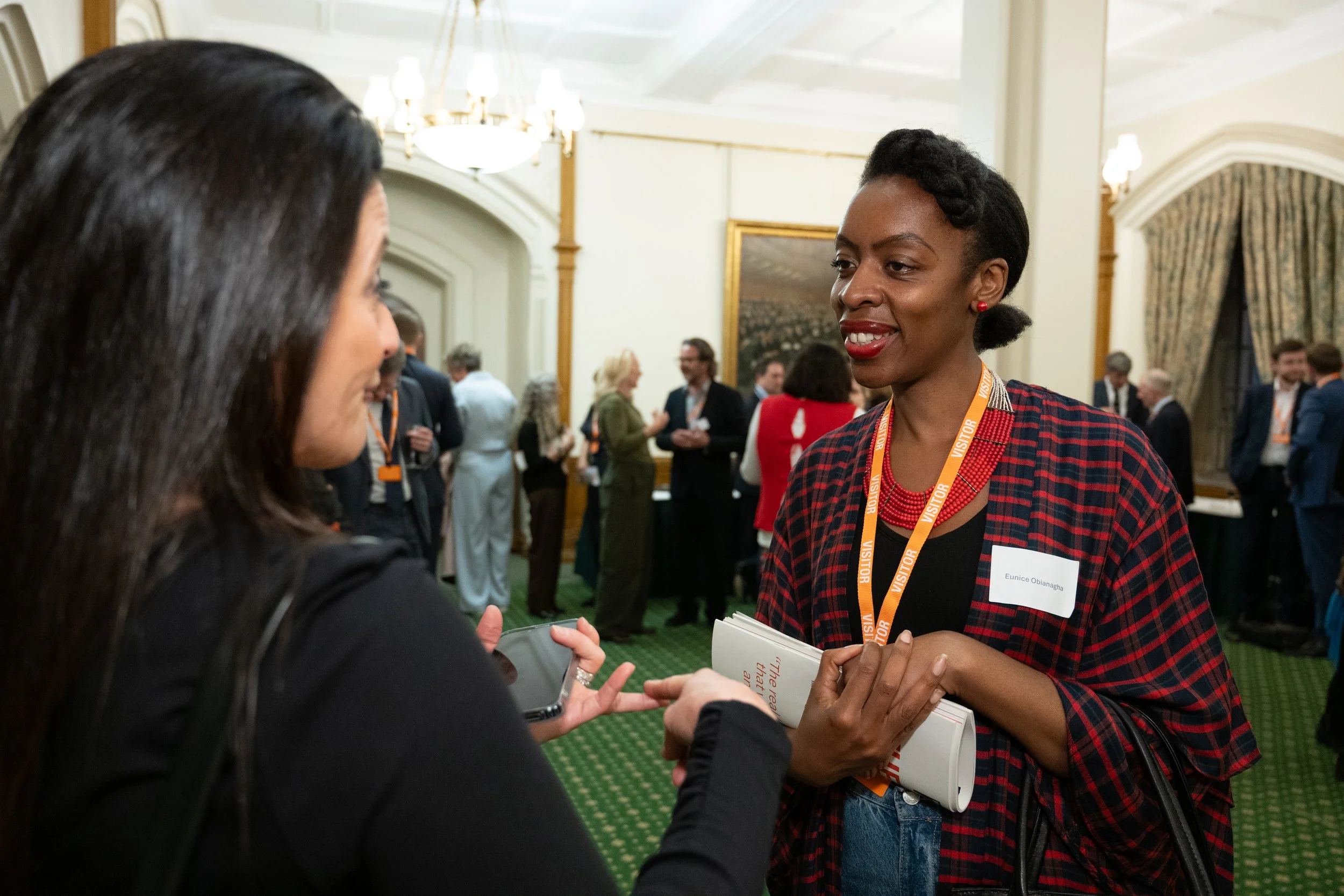
Freedom in the Arts Parliamentary Launch
Churchill Room, Palace of Westminster
27 April 2026
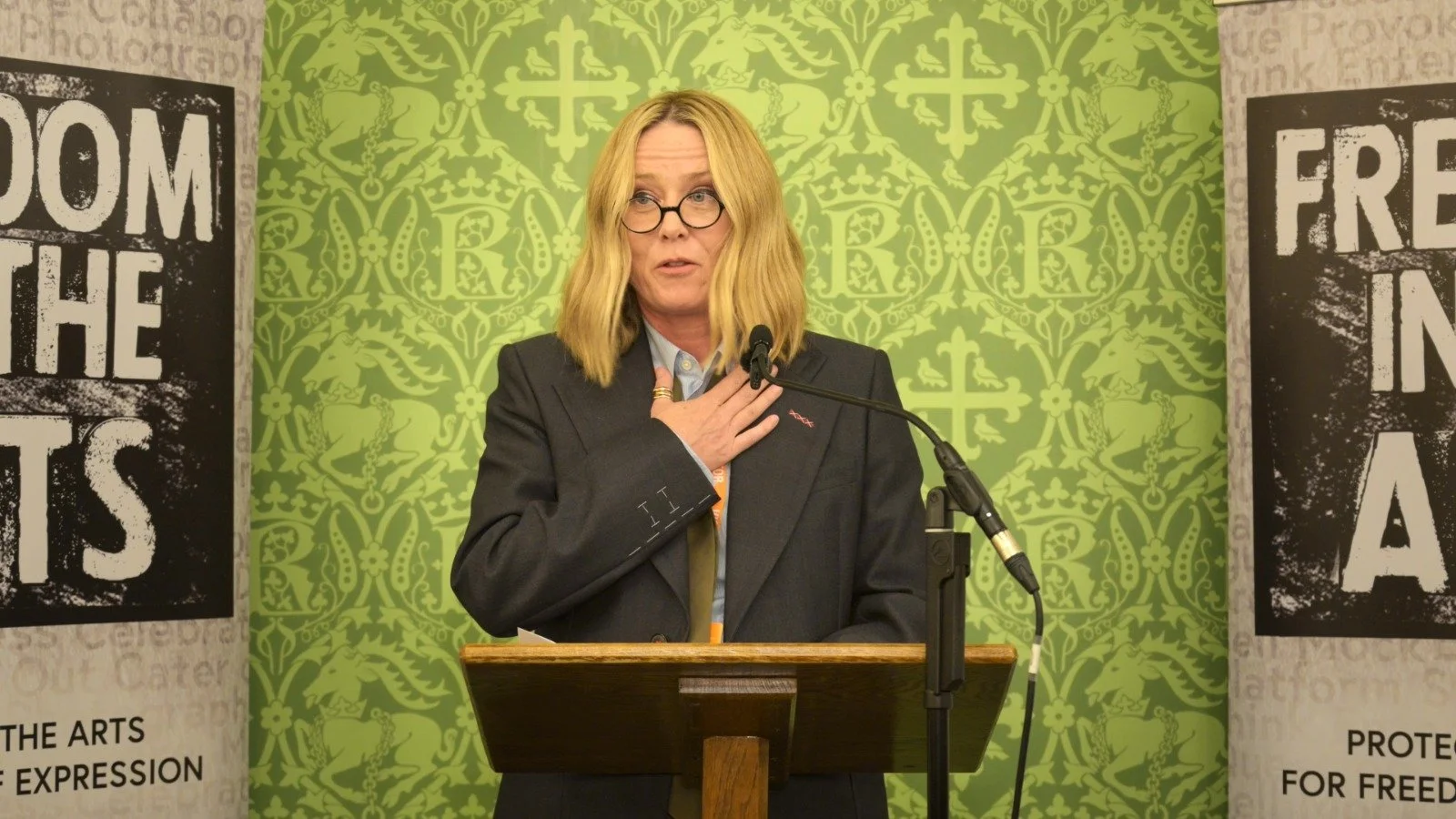
Speech No.5 by Rosin Murphy, Singer and Songwriter
Róisín Murphy on censorship, courage and the freedom to create
At the parliamentary launch of The New Boycott Crisis and the Art Beyond Boycott Toolkit, Róisín Murphy closed the main speeches with a powerful reflection on artistic freedom, self-censorship and the damage done when artists are expected to conform rather than create.
Biography
Róisín Murphy is an Irish singer, songwriter and performer, first known as one half of the duo Moloko before establishing a distinctive solo career spanning pop, electronic and experimental music. Celebrated for her originality, theatricality and uncompromising artistic vision, she is widely regarded as one of the most singular voices in contemporary music.
Churchill Room, Palace of Westminster, 27 April 2026
Closing the main speeches of the evening, Róisín Murphy spoke movingly about what happens when artists feel watched, managed or punished for speaking plainly. Her speech brought emotional force to the event, reminding the room that the issue is not only institutional or political, but about whether art itself can remain open, risky and alive.
Full Speech Link HERE
Ladies and gentlemen, fellow artists and creators, thank you for letting me speak freely here today.
This feels very strange for me. I never wanted to become any kind of campaigner. For most of my creative life I’ve preferred a bit of mystery, privacy, ambiguity and above all, the freedom to create whatever I want — I’ve never been a confessional artist. Hastily built identities tend to harden, and as for opinions - well, everybody’s got one!
But things have taken a troubling turn, and my experience might be worth sharing here. For thirty years I’ve lived inside this world - as a singer, songwriter, and my own hands-on creative director. I know its beauty and its brutality. But what I’ve seen in recent years isn’t just the usual ups and downs of creative life. It’s a slow, systematic narrowing that turns art from wild exploration into careful calculation.
When artists speak plainly these days, especially on radioactive issues, they don’t get debate. They get condemnation and professional exile. I’ve lived it. After I spoke my mind about puberty blockers and current social trends around gender, I watched the machinery kick in fast: pressure to recant, threats to pull promotion, leaks to the press, venues dropping bookings, colleagues stepping back. The message was clear: conform, or risk your livelihood.
I fought for my work. I took back ownership of my music. But the wider chill remains. Many others don’t fight back - they self-edit, or simply stop. I completely understand the disillusionment.
Being cancelled is hard. I won’t sugar-coat it. The world goes very dark, very quickly. Everyone and anyone who was ever going to disappoint you, does so, all at once. Networks of interwoven friendship and career that took years to build - collapse overnight. All the hypocrisy, frailty, and hidden disloyalty gets exposed at once. It’s bewildering and it’s a bitter pill.
Personally speaking, as a woman in her 50’s with a black mark against my name, stepping out into any sort of public discourse, making myself visible in any form, invites not only attacks on my morality and my work but inevitably on my appearance and on my age too. These are nasty childish tactics designed to make me afraid to speak up, or even be seen at all, it can be extremely difficult to take. With stunning hypocrisy, It seems age is the last frontier for liberation and fair game for budding justice warriors.
But here’s the deeper problem: crippling self-censorship. The best art comes when artists are wide open and vulnerable, when nothing is censored, great ideas arrive only when the mind is free. Today, too many creators feel they must weigh every word, every image, every subtext.
Questions irrelevant to the creative process itself - flood the mind. Will this offend the wrong people? Will I lose my funding? Will the media turn on me?
Every new cancellation is a warning shot. Young creators learn early: play it safe or be stained. Established voices hold back in podcasts and interviews, playing a political game.
For performers, the precious flow state vanishes when part of the audience is scanning for a thought crime.
Meanwhile, a noisy minority - often very confused young people caught in cycles of pornography and niche online communities - have made themselves the social media enforcers. Small groups with multiple accounts can trigger the cancellation of events and whole careers. And yet, however disconcerting the trolling may be, what’s truly terrifying is seeing institutions and media go along with it. I wonder these powerful cultural gatekeepers ever check who’s really behind the outrage. This isn’t protecting the vulnerable. It’s enabling mob hysteria, only to turn away and ignore the chaos and violence it sometimes descends into.
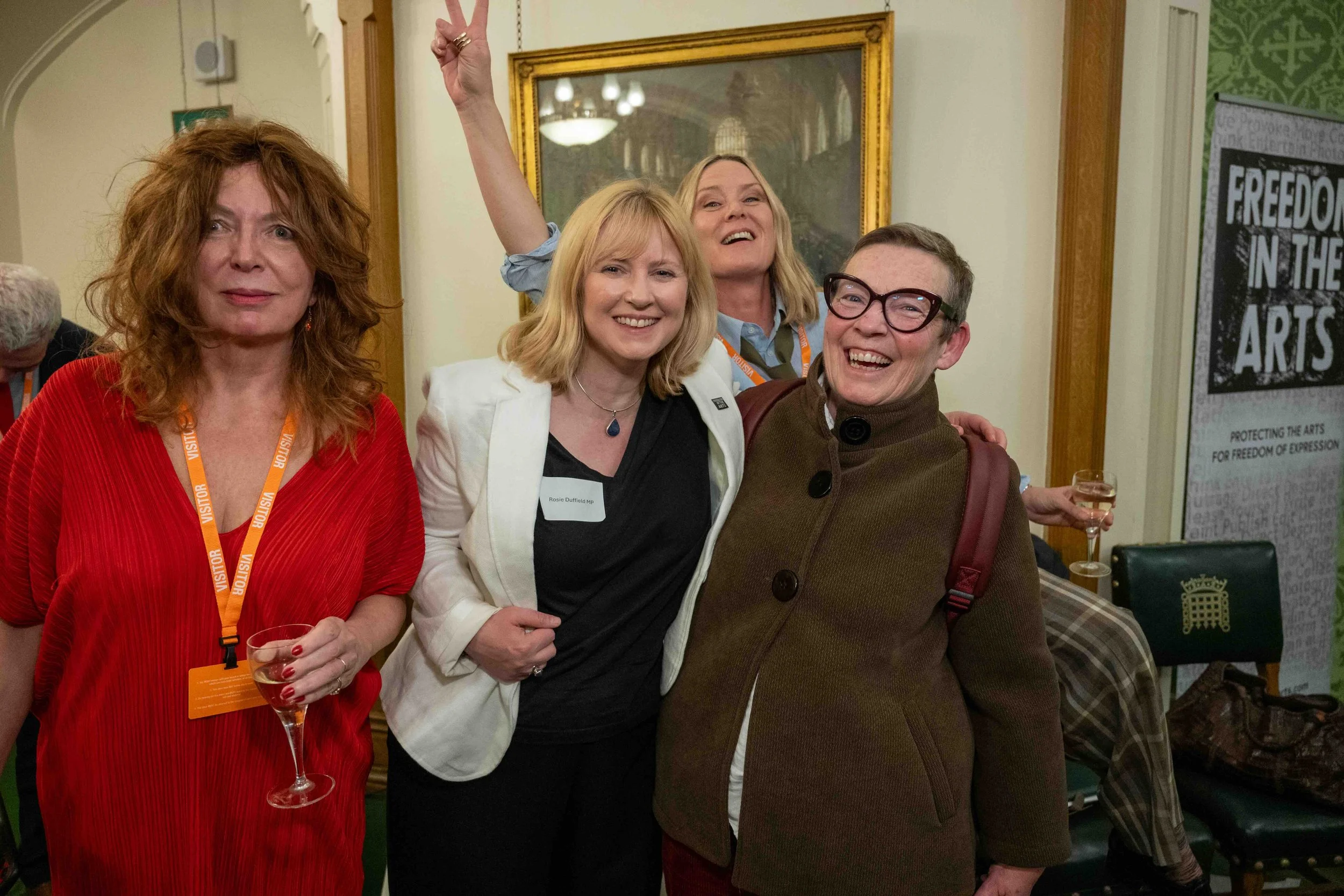
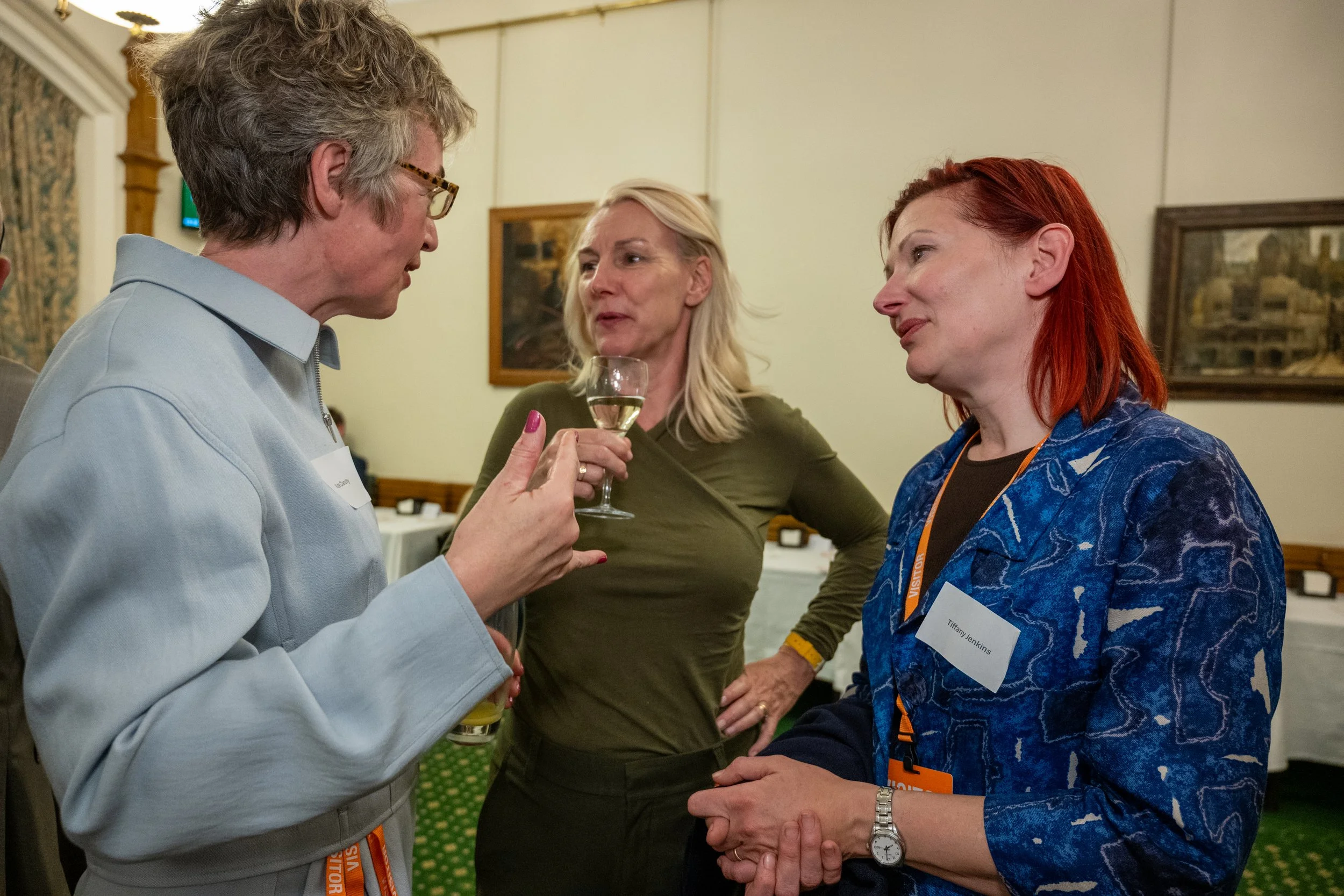
Suzanne Moore, Rosie Duffield MP, Roisin Murphy and Professor Jo Phoenix, co-author of the report.
Public funding, meant to support excellence regardless of politics, has become an ideological points system. Projects that question the current line on sex and gender, for example, find doors closed, while those that affirm it flow with support. This isn’t patronage. It’s patronage with strings attached so tight they strangle the critical thinking it takes to invent anything.
Market forces are at play too. When a subculture is turned into a market-demographic and then policed into orthodoxy, what started as a vibrant open-minded community- hardens into dogma, hostile to personal growth and individuality. It’s sad to see but the more tragic and delusional cancel culture becomes, the more it will expose its own hypocrisy, cruelty, and complete lack of self-awareness and ultimately, do some of the work of discrediting itself.
It’s not the first time in history artists have faced oppression and it won’t be the last. Let’s not turn on each other. As artists and creatives, we have far more in common than anything that divides us. We should support each other, come together and defend our shared space, our territory, the place where imagination can roam free.
Because if they come for one of us they will eventually come for all.
The creative soul of this country, and of Europe, has always thrived on discomfort, on the freedom to be wrong, to offend, to pivot, and to surprise ourselves. Without that freedom, we don’t get better art. We simply put artists in a chokehold and suffocate life out of our culture.
We need free inquiry and open debate. The arts- must - breathe freely again.
Thank you.